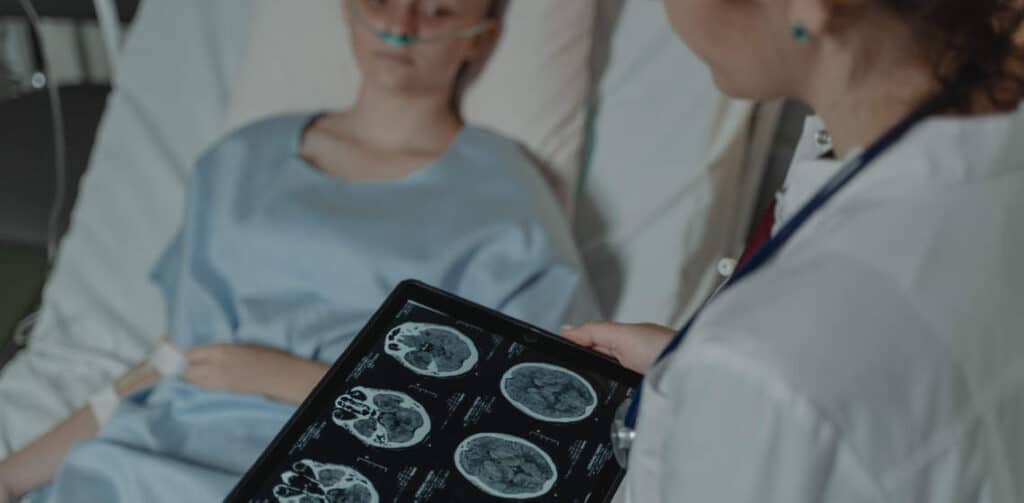
If you’ve suffered a brain injury because of someone else’s negligence, you could be eligible to make a brain injury claim for personal injury compensation….

Hypoxic brain injury compensation claims
If you or your child has suffered a hypoxic brain injury due to somebody else’s negligence, you could be entitled to claim compensation.
We are a claims management company regulated by the Financial Conduct Authority.
Hypoxic Brain Injury Claims
If your life or the life of a loved one has been affected by a hypoxic brain injury, you may be entitled to compensation. A hypoxic brain injury claim can cover all the losses incurred and help ease the financial and emotional strain for you and your family.
Brain hypoxia occurs when the brain is deprived of oxygen, even for a short time, leading to cell damage and life-changing effects. Causes include birth complications, stroke, anaesthesia errors, smoke inhalation, drowning and various types of accidents.
We understand the devastating consequences of brain hypoxia, from memory problems to physical disabilities and loss of independence. Our team of specialist solicitors are here to help you start a claim and secure the financial support you deserve.
For a free case assessment, call 0800 470 0474 today or use our online claim form to request a call back.
By submitting this form you agree to be contacted by our partners. Find out how we handle your data in our privacy policy.
 Table of Contents
What is a hypoxic brain injury?
Like all body parts, the brain needs oxygen to function. A lack of blood supply or oxygen to the brain can lead to serious brain damage and catastrophic injuries, including death.
A hypoxic brain injury occurs when the brain does not receive an adequate supply of oxygen, leading to the damage or death of brain cells. This is different from an anoxic brain injury, where the oxygen flow stops completely, but the results can still be devastating.
The most common causes of hypoxic brain injuries include:
- Cardiac arrest and respiratory failure.
- Drowning or near-drowning incidents.
- Complications during surgery.
- Oxygen deprivation during labour or delivery.
- Carbon monoxide poisoning.
- Electrocution.
- Inhalation of toxic fumes and substances.
Brain hypoxia is a medical emergency that needs immediate treatment to prevent further damage and improve the chances of recovery. An injury that was caused or worsened by negligence may entitle you to make a claim for compensation.
Can I make a hypoxic brain injury claim?
If you or a loved one suffered a brain injury due to a lack of oxygen supply, you may be entitled to compensation. The easiest way to find out if you have a valid claim is through a free consultation with a specialist brain injury lawyer, who will be able to establish if:
- Another party, such as a medical professional or employer, owed you a legal duty of care.
- They breached that duty through negligence or wrongdoing.
- This breach caused or contributed to your brain injury.
- You are within the legal time limit (usually three years).
If you can proceed, your solicitor will guide you through the claims process from start to finish. They will also:
- Help you gather supporting evidence.
- Send a letter of claim to the defendant and handle all communication with them.
- Negotiate the maximum compensation on your behalf.
- Be prepared to take your case to court if negotiations fail.
What are the symptoms of a hypoxic brain injury?
The symptoms of a hypoxic brain injury can vary depending on the person’s age and the duration of oxygen deprivation.
Symptoms of a hypoxic brain injury in babies
In babies, hypoxia usually happens before, during or shortly after birth and is generally referred to as hypoxic ischaemic encephalopathy (HIE). This can be devastating and cause severe and permanent disability. Symptoms include:
- A low Apgar score.
- Feeding problems.
- Blue or pale skin.
- Weak or absent crying.
- Poor muscle tone or floppy limbs.
- Difficult feeding.
- Seizures or convulsions.
- Breathing difficulties and a slow heart rate.
- Organ failure.
If these symptoms are not recognised and treated promptly, the consequences can be catastrophic.
Symptoms of a hypoxic brain injury in adults
Adults who experience oxygen deprivation may develop symptoms ranging from mild confusion to life-threatening complications. Other possible symptoms include:
- Confusion, disorientation and difficulty concentrating.
- Headache and dizziness.
- Difficulty speaking or understanding language.
- Poor balance or coordination.
- Short-term memory loss.
- Blurred vision.
- Seizures or loss of consciousness.
Prompt treatment is crucial to minimise brain damage and improve prognosis.
What are the potential long-term effects of brain hypoxia?
The possible complications and long-term effects of brain hypoxia, whether it affects a baby or an adult, include:
- Cognitive problems, such as memory loss and learning difficulties.
- Physical disabilities, including paralysis, loss of coordination or cerebral palsy.
- Muscle spasms or spasticity.
- Incontinence and executive dysfunction.
- Speech and language difficulties.
- Personality and behavioural changes.
- Poor judgment and inability to focus.
- Emotional issues, such as anxiety, depression or anger.
- Chronic fatigue or sleep problems.
- Reduced independence, coma or vegetative state, often requiring lifelong care.
Early diagnosis and intervention are essential to maximise the recovery potential after a hypoxic brain injury.
What accidents can lead to hypoxic brain injury claims?
A hypoxic brain injury can be the result of any accident that restricts the brain’s oxygen supply, including:
- Road traffic accidents that lead to severe blood loss, cardiac arrest or chest trauma that restricts breathing.
- Accidents at work, such as exposure to toxic gases, crush injuries caused by faulty machinery or electrocution.
- Drowning or near-drowning incidents caused by the negligence of swimming pool operators or lifeguards.
- Carbon monoxide poisoning at home or in rented accommodation due to faulty gas appliances, poor ventilation or a lack of CO detectors.
- Sports incidents such as blows to the neck or throat that restrict airflow or sudden cardiac arrest due to intense activity.
- Violent criminal assaults that involve choking, strangulation or smothering (in such cases, a claim can be pursued through the Criminal Injuries Compensation Authority).
Can I claim compensation for a hypoxic brain injury caused by medical negligence?
All healthcare professionals owe patients a legal duty of care to deliver a reasonable standard of care. When this duty is breached, and it results in avoidable harm, it is often possible to make a medical negligence compensation claim.
Examples of medical negligence that could lead to a hypoxic brain injury compensation claim include:
Birth and neonatal negligence
A birth injury claim involving brain hypoxia can result from various types of negligence, such as:
- Failing to monitor the foetal heart rate and respond to signs of distress.
- Delayed delivery by C-section, forceps or ventouse suction.
- Incorrect use of oxytocin in labour.
- Failing to clear meconium from the baby’s airways.
Surgical errors
Negligence during surgery leading to oxygen deprivation may occur through:
- Improper intubation blocking oxygen flow.
- Inadequate monitoring of vital signs.
- Errors in the administration of anaesthesia.
- An accidental cut of a major artery that supplies blood to the brain.
Accident and emergency negligence
Prompt diagnosis and treatment in emergency situations are essential to prevent brain damage caused by hypoxia. Negligence can occur if the medical staff:
- Delay oxygen administration or resuscitation.
- Fail to recognise the signs of stroke or cardiac arrest.
- Fail to recognise hypoxia following trauma or shock.
- Fail to triage a patient showing signs of respiratory distress.
Misdiagnosis and delayed diagnosis
A failure to correctly identify or treat a medical condition that restricts oxygen supply to the brain can also lead to a negligence claim. Examples include:
- Misdiagnosis or mismanagement of asthma.
- Delayed diagnosis of an asthma attack, anaphylaxis or cardiac problems.
- Failing to detect blood clots or severe infections.
- Delayed referral for specialist care.
You could make a clinical negligence claim against both the NHS and private healthcare providers. All NHS negligence claims are handled by NHS Resolution and do not affect the funds allocated for patient care and treatment.
Can I claim hypoxic brain injury compensation on behalf of a loved one?
Yes. You can act as a litigation friend and claim compensation on behalf of a loved one if they suffered a hypoxic injury and they are:
- A child under 18 years old.
- An adult who lacks the mental capacity to manage their own claim due to their injury or a pre-existing condition, such as Down syndrome.
You can also make a fatal injury claim and seek compensation if you lost a loved one because of a severe hypoxic brain injury.
What evidence do I need to support my claim?
To build a strong case and secure compensation, your specialist brain injury claims solicitor will gather various types of evidence, such as:
- Medical records detailing your diagnosis, treatment and prognosis.
- A specialist report linking your injury to the negligent defendant and detailing its long-term effects and impact on your life.
- Photographs, videos or CCTV footage of the accident that led to your injury and any visible signs of trauma.
- Accident reports, if you were injured at work or in a public place.
- Statements from witnesses to your injury or the standard care received from a medical professional.
- Evidence for related financial losses and expenses, such as care, rehabilitation and home adaptations.
How much compensation is awarded for a hypoxic brain injury?
The amount of compensation awarded for a hypoxic brain injury is calculated on a case-by-case basis, considering two types of damages:
- General damages cover the pain, suffering and loss of amenity caused by the hypoxic injury.
- Special damages cover all the related financial losses and expenses, both past and future.
The compensation for general damages is based on the Judicial College guidelines and could be:
- £2,690 to £15,580 for minor brain damage that resolves within 2-3 years.
- £18,700 to £52,550 for brain damage that causes minor ongoing issues with mood, memory and concentration.
- £52,550 to £110,720 for ongoing memory and concentration issues affecting employment.
- £110,720 to £183,190 for some degree of long-term impact on intellect and loss of earning capacity.
- £183,190 to £267,340 for moderate to severe intellectual deficit, high risk of epilepsy and no employment prospects.
- £267,640 to £344,150 for substantial physical and cognitive disability leading to dependency on others.
- £344,150 to £493,000 for permanent and severe disability with complete dependence on 24-hour care.
What is the time limit to make a claim for brain hypoxia?
You typically have three years from the date of injury or from when the negligence was discovered to start a hypoxic brain injury compensation claim. Exceptions include:
- Claims on behalf of children can be made at any time before their 18th birthday.
- There is a two-year time limit to claim compensation through the CICA.
- There is no time limit to claim compensation on behalf of someone who lacks their mental capacity and cannot make a claim themselves.
Read more: What is the time limit to start a personal injury claim?
Can I make a brain hypoxia compensation claim on a No Win No Fee basis?
Yes. Hypoxic brain injury solicitors offer a no win no fee service to claimants who are entitled to compensation for their losses. This means:
- There is nothing to pay upfront, or in the case of a loss.
- You only pay a success fee to your solicitor when you receive compensation (capped at 25%).
If you want to claim compensation for an anoxic or hypoxic brain injury, call 0800 470 0474 today or request a call back. You will receive a free case assessment and legal advice, with no obligation to proceed.