Many people fear going to the dentist, although most dental procedures are effective and carried out safely. However, when a medical professional does not fully…
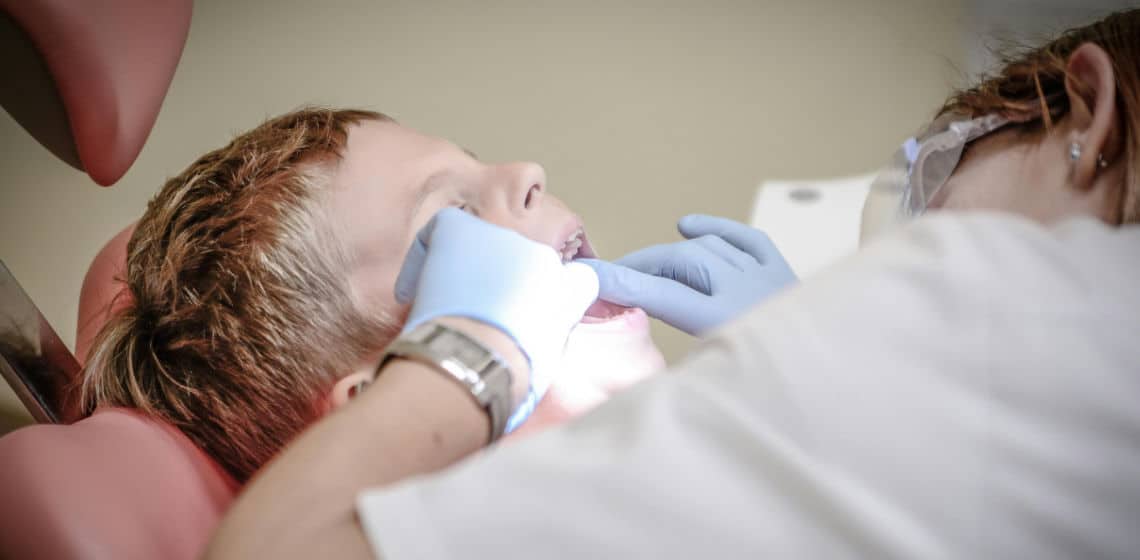
Claim compensation for damage to teeth
If you or your child have suffered broken or damaged teeth in an accident that wasn’t your fault, we can help you make a tooth damage compensation claim.
We are a claims management company regulated by the Financial Conduct Authority.
Tooth Damage Claims
Tooth injuries can be excruciating and have a long-term impact on a patient’s mental well-being, daily life, and financial situation. While minor cavities and tooth cracks can be cured quickly, more severe or chronic conditions may cause ongoing pain and need extensive treatment.
Common causes of tooth damage include slips, trips and falls, road accidents, sports and criminal assault. In some cases, you may even suffer avoidable pain due to a misdiagnosis, inadequate treatment or other types of medical negligence. Regardless of your situation, if another party was at fault for your injury, you could be eligible to start a tooth damage claim.
If you want to start a claim or learn more about your legal rights, do not hesitate to get in touch by calling 0800 470 0474 or using our contact form. You will receive a free case assessment with no obligation to proceed.
 Key points about tooth damage claims
- Can I make a claim?
Yes, if your tooth damage was caused by an accident that wasn’t your fault or dental negligence, you may be entitled to compensation. - Who is at fault?
The responsible party could be a negligent driver, employer, or dentist depending on how the injury occurred. - When should I claim?
The standard time limit is 3 years from the date of injury or diagnosis. - What is my claim worth?
Compensation will reflect the extent of the tooth damage, treatment costs, aesthetic damage, long-term impact and financial losses. - Will I get a no win, no fee service?
Yes, your solicitor will handle the claim on a no win, no fee basis.
If you would like to speak to a legal adviser about making a claim, call free on 0800 470 0474 or click here to request a call back.
By submitting this form you agree to be contacted by our partners. Find out how we handle your data in our privacy policy.
 Table of Contents
Types and symptoms of dental injuries
There are several different types of tooth injuries and conditions that you could suffer, all of which have varying degrees of severity:
- Chipped or broken teeth – these can range from small cracks that affect only the outer enamel to a whole piece of the tooth falling off, often due to acute trauma such as a blow to the face;
- Loss of one or more teeth – occurs when the entire tooth, including its root, is displaced from its socket and falls out due to trauma;
- Nerve damage – dental nerve injuries occur when the nerves inside a tooth are damaged, either due to trauma, dental procedures or untreated dental conditions;
- Tooth cavities and infections – if a dentist fails to diagnose or adequately treat a cavity or illness, this can lead to further tooth decay or abscesses;
- Gum disease – negligence in identifying or treating gum disease can result in severe periodontal damage and tooth loss;
- Implant injuries – improper placement or management of dental implants can cause injury, pain, or implant failure.
The signs and symptoms of tooth damage depend on the specific type of injury and its severity and could include:
- Sharp pain when biting and chewing
- Sensitivity to hot, cold, or sweet foods and drinks
- A noticeable crack or break in the tooth
- Visible damage or loss of part of the tooth
- Mild to severe pain
- Bleeding from the gums or socket
- Swelling in the face or cheek
If you have any symptoms of damage to your teeth, you should seek medical advice as soon as possible to prevent further complications and ensure proper care.
What can be the consequences of a tooth injury?
A tooth injury can have various consequences that range from immediate physical effects to long-term emotional and financial impacts. These include:
- Significant pain and discomfort that may require emergency dental care;
- Bleeding from the gums and swelling in the affected area;
- Difficulty eating and speaking;
- Loss of teeth, which may need to be replaced with implants, bridges or dentures;
- Infection, which may spread to other body parts if not treated adequately;
- Stress and anxiety;
- Self-esteem issues if the damage to teeth is in the front or visible;
- Loss of trust in dental care and fear of medical visits and treatments in the future;
- Ongoing medical costs for treatments, orthodontics and cosmetic procedures;
- Reduced overall quality of life, mood and well-being.
If another party was responsible for the pain and suffering you incurred, you can make a dental injury claim to receive compensation for your pain, suffering and financial losses.
Am I eligible to make a tooth damage compensation claim?
If you suffered a dental injury without being at fault, you may be eligible to make a tooth damage claim for compensation. Generally speaking, an experienced solicitor will take on your case on a no win no fee basis if you can prove the following;
- Another party (the defendant) owed you a duty of care legally;
- They breached their duty by acting negligently;
- You suffered damage to your tooth or teeth as a result of their actions or omissions.
A duty of care will be established based on various legislation, depending on the nature of your accident. A breach of duty can be established based on evidence, such as photographs, witness statements or video footage. Once this is established, your solicitor will contact the third party or their insurer to inform them of your allegations of negligence and the intention to seek dental compensation.
Evidence needed to support a claim for damaged teeth
If your teeth were damaged due to someone else’s actions or negligence, and you want to make a personal injury claim, you need relevant evidence to show what happened and how this has affected your life. The types of evidence that you could use to support your claim include:
- Photographs or videos that show the accident scene before anything is moved or replaced;
- Pictures of the injuries you incurred due to the accident or negligence and regular photos taken during recovery;
- If available, you could use CCTV or dash cam footage of the incident, which you should secure as soon as possible as they often get deleted within a few weeks;
- Medical and dental records (including X-rays and other diagnostic tests) will show the extent of the damage incurred, the treatment received and the prognosis;
- A copy of an accident report, if you were injured at work or in a public place, which should include the date, location and details of the incident;
- Statements from people who witnessed the incident can help probe liability and confirm your version of what happened;
- A report from a medical expert can help determine whether the standard of care was breached in dental negligence claims;
- Your account of how you suffered an injury to your teeth and how this has affected your life;
- You also need financial records of related losses and expenses you want to include in your claim, such as receipts and invoices.
Common situations leading to tooth damage claims
Various accidents could lead to a successful tooth damage injury claim, including:
- Road traffic accidents. Collisions involving cars, bicycles, pedestrians, or motorcycles can result in significant facial and dental injuries due to the impact. In such cases, you could claim under the Road Traffic Act 1988.
- Slips, trips and falls. Such accidents can occur at work, home, or in public places and can be caused by wet floors, uneven surfaces or obstacles left in walkways. Claims for slips and trips in public places such as shops can be made under the Occupiers Liability Act 1957.
- Sports injuries. Almost all sports carry a risk for dental injuries due to collisions, falls or being struck by equipment. While these can be nobody’s fault and what we would call a ‘pure accident’, you could claim compensation for injuries due to unsafe playing conditions, bad advice from a coach or faulty protective gear.
- Workplace accidents. Injuries to teeth in an accident at work can be due to falling objects, lack of personal protective equipment, manual handling and other incidents. Under the Health and Safety at Work Act 1974, employers must take all reasonable measures to protect employees from harm, and a failure to do so can result in an accident at work claim.
- Criminal assaults. Physical attacks can result in broken teeth from punches, kicks or being hit with an object. Blameless victims of assaults may be eligible to claim compensation through the Criminal Injuries Compensation Authority (CICA) within two years of the incident.
- Faulty products. Defective products, such as sports equipment, safety gear, furniture or machinery, can also cause dental injuries. In such cases, a claim could be pursued under the Consumer Rights Act 2015.
Can I make a claim for dental negligence?
You might be entitled to compensation for damage to teeth if you suffered avoidable harm due to negligent dental treatment. In such cases, you could make a compensation claim against the NHS or a private medical professional.
All claims against the NHS are handled by their own insurer, NHS Resolution, and will not affect the funds allocated for patient care. Private medical practitioners must also have insurance in place against personal injuries to patients, and they will not be left out of pocket if you make a successful teeth damage claim.
To have a valid medical negligence claim, your solicitor must prove the following:
- A duty of care refers to the legal obligation that all dental professionals have to provide care that meets accepted standards within the dental community and is generally easy to prove.
- A breach of duty occurs when a dental professional fails to meet the required standard of care, either by action or omission. Examples include misdiagnosis, improper treatment, or poor hygiene standards.
- Causation is the link between the breach of duty and the harm you suffered. To have a valid claim, you must show a direct connection between the poor care you received and your injuries.
- Damages refer to the actual losses you suffered as a result, which can be economic (medical bills, lost wages) or non-pecuniary (pain and suffering).
If you suffered a dental injury and the above factors can be proven, you can likely make a successful compensation claim for dental negligence.
Can I make a tooth damage injury claim on behalf of my child?
If your child suffered damage to teeth due to someone else’s negligence, you may be able to claim compensation on their behalf. To start a dental claim for them, you must first apply to the court to be named as their litigation friend. Don’t worry, as your solicitor will be able to arrange this for you.
Once appointed, your solicitor can then get started with the claims process. You will have several responsibilities as a litigation friend, such as making decisions about the case, signing legal documents, and paying any fees requested by the court.
If you win broken tooth compensation on behalf of your child, you must go to an Infant Approval Hearing in court. A judge will examine the available evidence during this hearing and decide whether the awarded settlement is fair. Once approved, the money will be transferred to a court bank account or a personal injury trust in your child’s name and released to them on their 18th birthday.
Time limits to start a personal injury claim for damage to teeth
Generally, you have three years to start your claim for teeth damage or other injuries. This time will begin to run from the date of your accident or from when you became aware of the negligence that caused your injury. After three years, your case will be time-barred and no longer valid, with a few exceptions:
- If you were under 18 when you suffered damage to your teeth, the three-year time limit only begins on your 18th birthday. Before this, a parent or legal guardian can make a child injury claim on your behalf at any time.
- If the injured party cannot claim due to a medical condition, such as PTSD, a brain injury, or Down syndrome, the time limit is suspended, and you could represent them as a litigation friend at any time.
While you may have plenty of time to start your claim, we would advise you not to postpone it and to seek legal advice as soon as possible. That will help ensure that evidence is readily available and help you remember any crucial details about the events. If you are under a financial strain, your solicitor may also be able to secure an interim payment for you. This is a part payment of your compensation before the claim is finalised.
How much compensation can I claim for teeth damage?
The amount of tooth damage compensation you could receive will depend on the losses and expenses you incurred because of your injury. These will be grouped into two different types of damages that your solicitor will include in your claim:
- General damages cover the physical injury and the way this has affected your life. Examples of general damages include pain and suffering, impact on hobbies and social activities, reduced quality of life and mental anguish.
- Special damages cover financial losses and out-of-pocket expenses incurred because you damaged your teeth. These include private treatments, prescriptions, travel expenses to medical appointments and lost wages during recovery.
Special damages are calculated using evidence such as receipts and invoices. General damages are subjective and based on the guidelines of the Judicial College. According to our compensation calculator, you could receive:
- £1,330 to £2,080 for damage or loss of teeth in the back (per tooth)
- £2,690 to ££4,820 for damage or loss of front teeth (per tooth)
- Up to £46,540 for chronic pain or other issues caused by medical negligence
Can I make a tooth damage claim on a No Win No Fee basis?
If you have a valid broken tooth injury claim, a personal injury solicitor will take your case ON without asking for any upfront fees. This ensures you can have legal representation regardless of your financial situation and without taking any risks. The no win no fee agreement works like this:
- If you win the claim, your solicitor will receive a success fee for the risk they took by providing this service. This fee will be deducted from the final compensation amount and cannot be more than 25% of general damages and past financial losses.
- If you do not win compensation, you do not have to pay a single penny to your solicitor.
For further peace of mind, you will also have After the Event (ATE) insurance against the costs and disbursement of litigation. If you lose, the ATE will cover expenses such as medical and police reports, court fees and the defendant’s solicitors, so you will not be left out of pocket.
To find out if you can start a teeth damage claim, do not hesitate to call 0800 470 0474 today or request a call back by entering your details into our online claim form.