If you or a member of your family has developed an industrial illness caused by exposure to asbestos, you may be eligible to make an…
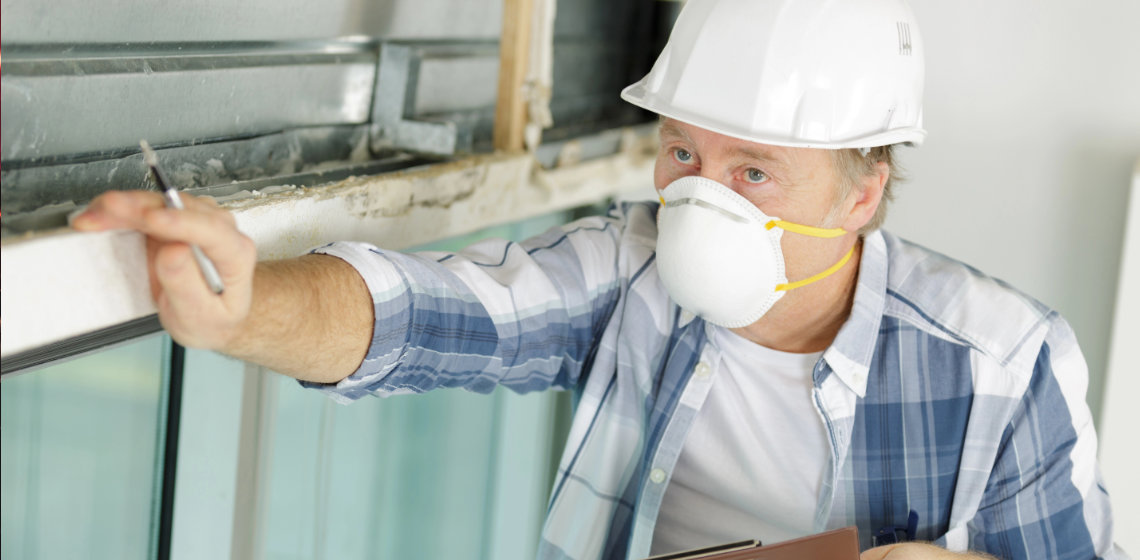
What is asbestos and why is it dangerous?
Asbestos is a naturally occurring mineral that was widely used in many industries, but asbestos is extremely hazardous to health if disturbed and fibres are inhaled.
We are a claims management company regulated by the Financial Conduct Authority.
What is Asbestos and Why is it Dangerous?
Asbestos is a naturally occurring silicate mineral that was widely used in construction, manufacturing and other industries due to its strength, heat and fire resistance, and other unique properties.
However, when asbestos fibres are released into the air, they are easily inhaled. Once inside the lungs or other tissues, they can cause inflammation, scarring and various diseases, such as mesothelioma, lung cancer, laryngeal cancer and ovarian cancer.
Due to being extremely hazardous to health, asbestos was finally banned in the UK in 1999, after being used for more than a century. Still, many buildings built before 2000 contain asbestos, which continues to pose a risk to millions of people.
By submitting this form you agree to be contacted by our partners. Find out how we handle your data in our privacy policy.
 Table of Contents
What is asbestos?
Asbestos is the name given to a group of six natural minerals that are mined from large rock deposits in countries such as Russia, China and Kazakhstan. These minerals are made up of long and thin fibrous crystals, which give them remarkable properties such as:
- Strength and durability to wear, tear and friction.
- Heat and fire resistance.
- Thermal and electrical insulation.
- Resistance to most chemicals.
- High flexibility and adsorption capability.
Because it was cheap, durable and flexible, asbestos was widely used throughout the last century in a number of products, including:
- Insulation materials for buildings, pipes and boilers.
- Floor tiles, ceiling tiles, roofing shingles and cement sheets.
- Brake pads, clutches and gaskets in the automobile industry.
- Fire-resistant gloves, textiles and other materials.
- Some paints and coatings.
- Make-up, talcum powder and children’s toys and crayons.
- Appliances, hairdryers and potholders.
What are the different types of asbestos?
There are six different forms of asbestos that are generally divided into two groups:
Serpentine asbestos
Serpentine asbestos, also known as white asbestos, is the common name for chrysotile, the only type of asbestos within this group. It has long, curly (snake-like) and flexible fibres, and it was widely used in construction and textiles. It is far less hazardous than the other group.
Amphibole asbestos
There are five types of naturally occurring amphiboles: amosite (brown asbestos), crocidolite (blue asbestos), tremolite, anthophyllite and actinolite. Of these, crocidolite was the most used, typically in insulation and fireproofing.
Amphibole fibres are more brittle, straight, and needle-like, and can easily become embedded deep within the lungs and tissues, making them significantly more hazardous to health.
Why is asbestos dangerous?
Asbestos and asbestos-containing materials are hazardous because they can release tiny, microscopic fibres when disturbed, damaged, or left to deteriorate. This can occur during renovations, demolitions, building maintenance, or simply due to wear and tear.
Once inhaled or ingested, asbestos fibres can lodge in various parts of the body without immediate symptoms. Over time, they cause inflammation, scarring and genetic damage, which may eventually lead to cancers and other life-threatening illnesses.
Although most people have developed related diseases after long-term exposure to asbestos, others were only exposed for a few weeks or months. Family members are also at risk through secondary exposure, as fibres can cling to clothing, hair and skin.
In the UK, asbestos is still the leading cause of work-related deaths, killing around 5,000 workers each year. Asbestos-related diseases typically take decades to develop and cannot be cured.
What illnesses can exposure to asbestos fibres cause?
Breathing in asbestos dust and fibres released into the air can lead to severe, and potentially life-threatening illnesses, including:
- Mesothelioma. This is a rare and aggressive cancer of the lining of the lungs and, less frequently, of the heart, abdomen or testes. In 2023 alone, there were 2,218 recorded cases of mesothelioma deaths.
- Asbestosis. Asbestosis is a chronic, non-cancerous lung condition caused by scarring of the lungs. It causes chronic cough, shortness of breath and can be fatal in severe cases.
- Pleural thickening. The tiny asbestos fibres can cause scar tissue to build up on the pleura, causing it to become thick and stiff. This can lead to chest pain, difficulty breathing and impaired lung function.
- Lung cancer. Inhaling asbestos fibres can damage the DNA of the lung cells, resulting in cancer similar to lung cancer caused by smoking.
- Other cancers. Asbestos can cause various other cancers, including laryngeal cancer, ovarian cancer and cancer of the bile duct.
When was asbestos banned in the UK?
Despite being aware of the risks associated with using asbestos and asbestos products for decades, the mineral was not entirely banned until November 1999, through the Asbestos Prohibition (Amendment) Regulations.
Previous legislation banned the use of blue and brown asbestos in 1985, followed by all amphiboles in 1992. You can read more about the history of the asbestos ban here: When was asbestos banned in the UK?
How can exposure to asbestos still occur?
Although asbestos was banned more than two decades ago, exposure can still occur when old asbestos-containing building materials are disturbed during situations such as:
- Demolition and renovation of older buildings.
- Home maintenance tasks, such as cutting, drilling or sanding materials in older homes.
- Occupational exposure in industries such as construction, chemical plants, factories and automotive repair shops.
- Living near natural deposits or contaminated sites.
- Handling or repairing products that may contain asbestos, such as electrical appliances, asbestos cement products, fireplaces and vehicle components.
- Living or working in buildings containing damaged asbestos materials.
It is estimated that asbestos can still be found in approximately 1.5 million buildings in the UK, including 500,000 workplaces and 75% of hospitals and schools.
What are the signs of asbestos exposure?
There are no initial symptoms of asbestos exposure. These can take years or decades to appear, and the first signs of an asbestos-related condition could include:
- Shortness of breath or a persistent cough.
- Chest pain or tightness.
- Abdominal pain.
- Fatigue and unexplained weight loss.
- Difficulty swallowing.
If you experience any of these symptoms, you should seek medical advice, especially if you came into contact with asbestos in the past.
What measures should employers take to reduce asbestos exposure?
Under the Control of Asbestos at Work Regulations 2012 and the Health and Safety at Work Act 1974, employers have a legal duty to protect workers from the risks of asbestos exposure. Their duties include:
- Conduct risk assessments for asbestos-related work.
- Avoid working with and disturbing asbestos whenever possible.
- Offer adequate training on the dangers of asbestos and how to handle it safely.
- Supply suitable personal protective equipment (PPE), such as respirators and protective clothing, when the risk of exposure is high.
- Use only licensed contractors to remove asbestos or carry out repairs.
- Use proper ventilation systems to capture asbestos fibres and prevent them from spreading to other areas.
- Avoid dry cleanup and ensure all asbestos-containing waste is correctly disposed of.
If your employer breached their legal duties and you develop an asbestos-related disease, you may be eligible to make an asbestos claim. There are ways to recover compensation even if your exposure occurred a long time ago and your employer is no longer in business.
What should I do if I was exposed to asbestos?
If you find asbestos in your home, do not disturb it, clean the area or attempt to remove it yourself. Instead, you should contact your local council for advice and assistance.
If you were exposed at work or in rented property due to the negligence of an employer or landlord and you developed an illness, you should:
- Keep all medical reports detailing your symptoms, diagnosis and treatments.
- Keep records of tests, such as pulmonary X-rays, CT scans, biopsies and lung function tests.
- Document the exposure in as much detail as possible.
- Report the exposure in writing to the responsible party.
- Keep a diary of your symptoms and the impact on your life.
- Keep records of all related financial losses and expenses.
- Seek legal advice from a specialist solicitor to find out if you may be eligible to make a personal injury claim for compensation.
Key takeaways
Asbestos is a natural mineral that was widely used across various industries due to its unique and valuable properties. However, when disturbed or damaged, it can release tiny fibres into the air, which can cause severe illnesses once inhaled, such as mesothelioma and lung cancer.
Although it was banned in the UK in 1999, asbestos remains present in millions of buildings, including schools, hospitals and workplaces. If you were exposed to asbestos and later developed an asbestos-related disease, you may be entitled to claim compensation.
For legal advice related to asbestos exposure or to find out if you can make a claim, please call 0800 470 0474 or request a call back. You will receive a free, no-obligation consultation with an expert solicitor who will answer all your questions.