If you have been the victim of medical negligence you could be entitled to compensation. Contact our local personal injury solicitors for free advice today.
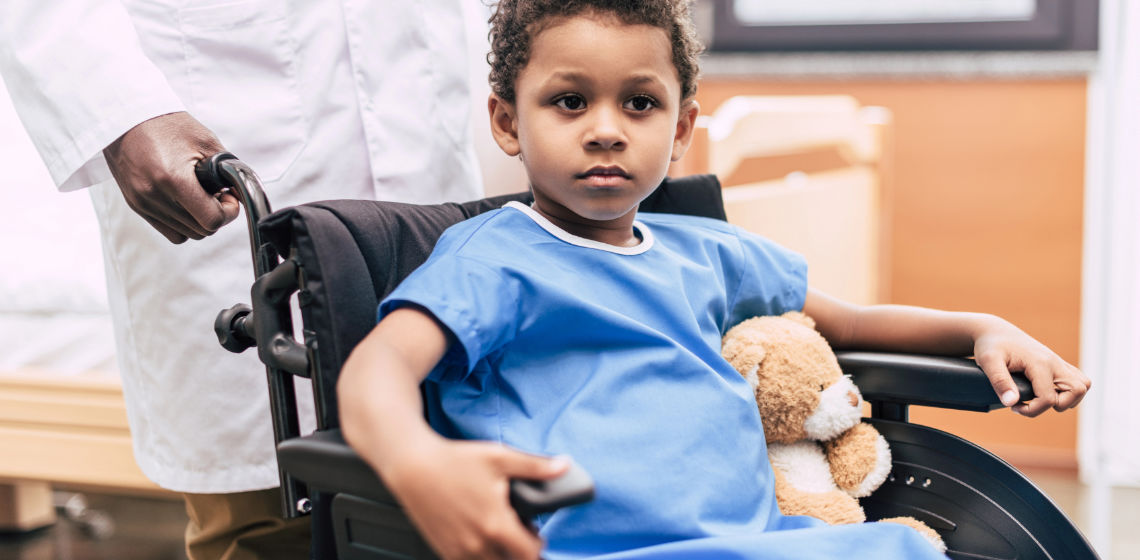
Medical negligence claims for children
If your child has been affected by poor medical treatment, you could be entitled to make a child medical negligence claim on their behalf.
We are a claims management company regulated by the Financial Conduct Authority.
Child Medical Negligence Claims
If your child suffered harm because of substandard medical care, you may be able to make a child medical negligence claim on their behalf. The most common types of paediatric negligence include missed diagnosis, birth injuries, undiagnosed fractures and surgical errors.
Medical errors affecting children can have devastating, lifelong consequences. These include scarring, long-term disability, mobility issues, cognitive impairment and the need for ongoing medical care. They can also have a profound emotional impact on the child and their family.
We understand how distressing it is to see your child suffer, and we are here to help you claim compensation for their pain and suffering.
Call 0800 470 0474 today for a free consultation with an experienced medical negligence solicitor or request a call back to find out if you can proceed with a no win no fee claim.
By submitting this form you agree to be contacted by our partners. Find out how we handle your data in our privacy policy.
 Table of Contents
What is a child medical negligence claim?
A child medical negligence claim is a clinical negligence claim made on behalf of a child who has suffered avoidable harm because of negligent treatment by a healthcare professional.
Negligence is when a doctor, nurse, dentist or other medical practitioner provides care that falls below the standard accepted in their field and causes harm. Examples include failing to diagnose a serious illness, administering the wrong medication or making surgical mistakes.
The aim of a claim is to secure compensation for the physical, emotional, and financial impact on the child and their family, and to help fund ongoing treatment, therapy or care needs.
Is my child entitled to compensation for negligent medical treatment?
Your child may be entitled to compensation if it can be proven that:
- A medical professional owed them a legal duty of care.
- That duty was breached because the care provided fell below a reasonable standard.
- The breach of duty caused them an injury or illness or worsened their condition.
- This caused them pain and suffering, and potentially financial losses to you.
If these criteria are met, our specialist medical negligence team can help you make a claim for compensation on behalf of your child.
Who can make a medical negligence claim on behalf of a child?
Children are just as entitled to compensation as adults if they suffer an injury because of a medical mistake. However, children under 18 cannot make a claim themselves and need an adult to represent them, who:
- Can make fair and competent decisions about the claim.
- Has no conflict of interest with the child.
The person representing the child is known as their litigation friend.
Child injury claims are typically made by a parent or legal guardian. However, another suitable adult could represent them, including:
- A close friend.
- Another family member.
- A social worker.
- A Court of Protection deputy.
- A solicitor.
- A professional advocate.
How do I make a medical negligence claim on behalf of my child?
If your child has suffered harm due to medical negligence and you want to make a claim on their behalf, you may be wondering how to start the process. This usually involves the following steps:
- A free initial consultation. A solicitor will offer you a free case assessment and advise on whether you have a valid clinical negligence claim.
- Be appointed as a litigation friend. The approval process is typically straightforward. You need to submit a certificate of suitability to the court, explaining why you are fit to be a litigation friend for your child.
- Gather evidence. Your solicitor will collect all relevant medical records, arrange a free exam with an independent paediatric expert and document the impact of the negligent care on your child’s life.
- Calculate compensation. Your injury lawyer will ensure that your child’s compensation will reflect their pain and suffering and all the losses and expenses incurred as a result.
- Negotiations. The defendant will receive a letter of claim detailing your case and the damages you seek. If they admit liability, your solicitor will seek an out-of-court settlement.
- Going to court. While most claims (over 97%) are settled out of court, your solicitor will be prepared to take your case to court if necessary.
What is considered clinical negligence in paediatric care?
Medical negligence in paediatric care occurs when a healthcare professional does not provide a reasonable standard of care, causing avoidable harm to a child. Examples include:
- Failing to diagnose an illness such as meningitis, sepsis, or appendicitis.
- Misdiagnosing cancer, congenital heart defects or neurological disorders.
- Administering the wrong medication or incorrect dosage.
- Failing to consider allergic reactions to medication.
- Failing to perform necessary screenings for abnormalities or genetic conditions.
- Providing delayed or incorrect treatment.
- Child surgery negligence, such as anaesthetic errors or operating on the wrong body part.
- Causing injuries to the baby during pregnancy, labour or after delivery.
- Negligent post-operative care or discharge.
- Failing to prevent, identify or treat infections promptly.
If your child received substandard care, you may have the right to make a claim for medical negligence on their behalf. A solicitor can advise you on the merits of your case during a free consultation.
What are the different types of medical negligence claims for children?
Common types of medical negligence claims involving children include:
- Birth injury claims. These involve negligent care during pregnancy, labour, or delivery, causing avoidable harm to a baby, such as a fracture or brain injury.
- Misdiagnosis claims. Some of the most commonly misdiagnosed symptoms in children include fever, coughing, nausea, vomiting, diarrhoea, headache, and breathing problems.
- Surgical negligence claims. Surgical negligence in children can involve nerve damage, organ damage, anaesthesia errors and leaving instruments inside the body.
- Medication error claims. A child can suffer a lot of unnecessary pain if they are given the wrong medication, incorrect dosage or experience harmful side effects.
- Neonatal negligence claims. Errors in the care of newborns, such as failure to monitor blood sugar levels or manage feeding, can cause long-term damage.
- A&E negligence claims. Negligence in the A&E department can involve misdiagnosis of fractures and other conditions, delayed treatment, inadequate monitoring and medication errors.
- Dental negligence claims. A claim can be made on behalf of a child if a dentist caused unnecessary pain, damage or long-term issues through negligent treatment.
- Erb’s palsy claims. This happens when a baby’s brachial plexus is negligently damaged during labour and they suffer weakness or loss of function in the arm and shoulder.
- Cerebral palsy claims. Cerebral palsy can be due to various types of negligence, including a lack of oxygen during labour and inadequate treatment of infections such as meningitis.
What could be the consequences of medical negligence on a child?
The consequences of medical negligence involving a child can be severe and have a lifelong impact on them and their families. These include:
- Physical injuries caused by a missed diagnosis or surgical error.
- Long-term disabilities such as cerebral palsy or loss of limb function.
- Permanent scarring and disfigurement.
- Developmental delays from infections or oxygen deprivation at birth.
- Chronic pain and ongoing medical complications.
- Significant psychological trauma for the child and their family.
- Reduced life expectancy and enjoyment of life.
- An impact on social life, education and future career prospects.
- Financial and emotional strain for the family.
What evidence is needed to make a medical negligence claim for a child?
If your child suffered from negligent medical treatment, you will need various types of evidence to support a medical negligence compensation claim. This could include:
- Medical records, such as hospital records, GP records, test results, scans, prescriptions and treatment plans.
- A report from an independent medical expert explaining how the care received by your child was substandard and the long-term impact on their life.
- Statements from family members and other witnesses aware of the negligent treatment and how it affected your child’s life.
- Photographs and videos of any visible injuries and disability.
- School and educational reports regarding the impact on your child’s learning and future opportunities.
- Documents such as receipts, invoices and pay slips proving the expenses related to your child’s injury.
How is compensation for children affected by medical negligence calculated?
A child’s medical negligence compensation is carefully calculated to reflect both the immediate and long-term impact on your child’s life. This is typically made out of two parts:
General damages compensate for the pain, suffering and loss of amenity experienced due to the negligence. The amount is based on the severity of the injury or illness, how it affects daily life, and whether it will cause permanent disability or long-term complications.
Special damages compensate for financial losses and future expenses related to your child’s injury, such as:
- Ongoing medical treatment.
- Care needs.
- Home adaptations.
- Loss of earnings to care for the child.
- Therapy and rehabilitation.
- Educational support.
- Specialist equipment and mobility aids.
If your child’s injuries are particularly severe, it may not be possible to predict the full extent of their long-term consequences until the child is older. In such cases, the claim will not be finalised until a later date.
In the meantime, your solicitor may be able to secure interim payments to cover your child’s ongoing medical and education needs and any financial strain.
What is an Infant Approval Hearing?
An infant approval hearing is a short court hearing that lasts approximately 20 minutes and is held in the judge’s chambers. Its aim is to ensure that any compensation awarded to a child, including for medical negligence, does the following:
- Accurately reflects the extent of their injuries and future needs.
- Is fair and will be competently managed or invested until the child’s 18th birthday.
The judge will review the available evidence before approving the settlement. They will also verify whether the child’s injuries have healed as expected and a full recovery has been made before the case is settled.
If the settlement is approved, it will be kept in a court bank account or a personal injury trust in the child’s name and released to them once they turn 18, provided they are mentally sound.
What is the time limit to make a child medical negligence compensation claim?
In most medical negligence cases, adults have 3 years from the date of the incident or from the date they became aware of the negligence to make a claim.
The time limit is different when making a clinical negligence claim for a child:
- The three-year limit does not start until their 18th birthday.
- A parent or another litigation friend can claim on their behalf at any time before the child turns 18.
- They have until age 21 to bring a claim themselves after turning 18, if no claim was made for them.
- If the child lacks mental capacity, there may be no time limit at all, even after they turn 18.
If you lost a child as a result of negligent medical treatment, you have three years from the date of death to make a fatal medical negligence claim.
Do medical negligence solicitors work on a No Win No Fee basis?
Yes. If you have a valid claim, a specialist medical negligence solicitor will help you pursue compensation under a no win no fee agreement. This means:
- There are no upfront costs to pay and no financial risk.
- You don’t pay anything if your claim is unsuccessful.
- If you win the claim, a success fee capped at 25% is deducted from your compensation to cover your solicitor’s work and the risk they took by offering you a conditional fee agreement.
How long does a child medical negligence claim take to settle?
It’s difficult to determine how long a child clinical negligence claim may take without knowing the details of the case. This would depend on several factors that you can read more about here: How long does a medical negligence claim take?
While the average claim may be settled within 18 to 24 months or even sooner, complex cases can take several years to conclude. Your solicitor may apply for interim payments to help cover medical expenses and care needs while waiting for the final settlement.
To find out if you have a valid claim for child medical negligence, call 0800 470 0474 today for a free case assessment or request a call back.