


The term hospital negligence refers to errors made by a hospital and its staff that result in the illness or injury of a patient. The…
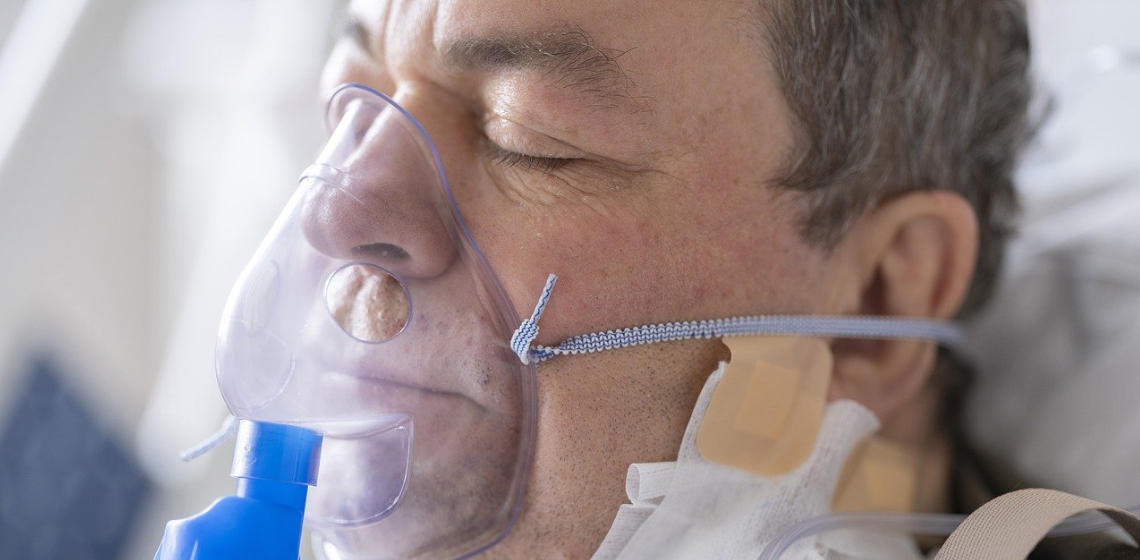
Hospital dehydration claims
If you or a loved one have suffered as a result of hospital dehydration, you could have grounds to make a medical negligence claim.
We are a claims management company regulated by the Financial Conduct Authority.
Hospital Dehydration Claims
Have you or a loved one suffered an illness caused by dehydration while in a hospital or care home? If you have, you could be entitled to receive compensation. Call 0800 470 0474 to speak to a medical negligence solicitor today and find out if you can make a hospital dehydration claim.
Your solicitor will provide a free case assessment service to find out if you are eligible to claim. During this consultation, they will explain the claims process and answer any questions you may have. If they can help, your solicitor will be happy to offer you a 100% no win no fee* service. So if you case is lost, you won’t pay a penny.
The adult body is made up of around 60% water. When a person’s normal water content reduces, the balance of salts and sugars in their body becomes disturbed, and this will affect the way in which their organs function. Dehydration can be mild or as severe as life-threatening, and if not addressed quickly, a patient’s condition can rapidly deteriorate.
Approximately one in eight residents of care homes that are admitted to hospital suffer from dehydration because they have had a lack of fluids. The NHS England Sustainable Improvement Team estimate that up to 1,000 hospital patients die needlessly each month from acute kidney injury (AKI), a condition that arises from severe dehydration.
Combatting dehydration can be simple in many cases, by ensuring that patients drink enough water and through thorough medication reviews by doctors.
 Key points about hospital dehydration claims
- Can I make a claim?
If a hospital failed to monitor and treat dehydration, leading to serious harm, you may have a valid medical negligence claim. - Who could be at fault?
NHS or private hospital staff may be liable if they neglected basic care and hydration monitoring duties. - Is there a time limit?
Yes, claims must usually be started within 3 years of the incident or date of knowledge. - How much can I claim?
The amount depends on the complications suffered and how the incident has impacted your life or recovery. - Can I claim on a no win, no fee basis?
Your solicitor will provide a no win, no fee service, which means you only pay a fee if your claim succeeds.
If you would like to speak to a legal adviser about making a claim, call free on 0800 470 0474 or click here to request a call back.
How does dehydration occur?
Dehydration is the result of an output of fluids in a person that exceeds their intake of fluids. For example, if a person suffers from vomiting or diarrhoea, or exercises excessively without replacing lost fluids, they will become dehydrated.
What are symptoms of dehydration?
There are a number of different signs and symptoms that can suggest that a person is suffering from dehydration. This includes:
- Decreased urine output
- Feeling thirsty
- Dark circles under the eyes
- Blurred vision
- Headaches
- Loss of concentration
- Cramps in the muscles
- Nausea
- Lightheadedness
A person who suffers from severe dehydration may eventually fall into a coma. If treatment is not received, organs will begin to shut down and it can result in a fatality.
Treatment for Dehydration
Acceptable and expected levels of care in hospitals and care homes should mean that symptoms of dehydration are quickly recognised. If this is the case, treatment can be administered swiftly to prevent deterioration in the patient.
Treating dehydration can normally be achieved by the patient simply drinking more fluids. However, if the patient is not able to drink because they are weak, ill or not conscious, fluids can be administered through a drip, intravenously.
If dehydration is not treated, high levels of sodium can build up in the blood which leads to a condition called hypernatraemia. Patients are also vulnerable to suffering from an acute kidney injury (AKI). AKI will result in poor kidney function and is a rapidly progressive condition.


