If you have suffered hearing loss because of someone else’s negligence, you may be entitled to compensation. Hearing loss claims are handled under a no…
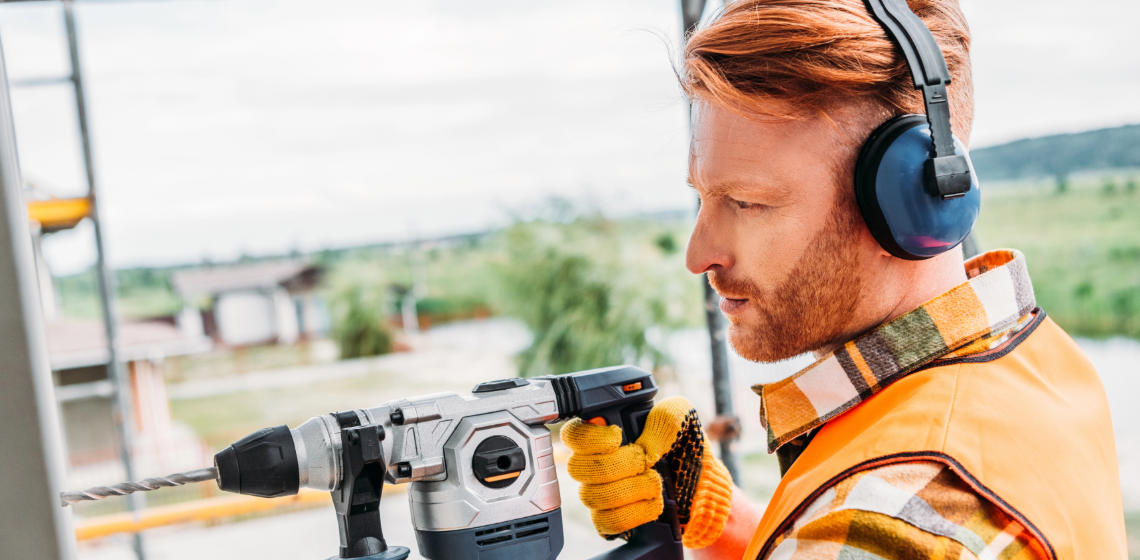
A guide to noise at work regulations
If you’re worried about your exposure to noise at work, our guide to the Control of Noise at Work Regulations 2005 explains everything you need to know.
We are a claims management company regulated by the Financial Conduct Authority.
Control of Noise at Work Regulations 2005
Noise is a significant but often overlooked hazard in many workplaces. If not properly mitigated, it can have a serious impact on hearing and cause irreversible damage. To protect workers, employers must comply with the Control of Noise at Work Regulations 2005 and other relevant legislation.
Many workplaces are at risk of exposure to loud noises, such as construction, manufacturing, agriculture and road maintenance. Employers must correctly assess the risk of exposure and implement control measures, such as providing hearing protection and reducing noise levels.
To learn more about your employer’s responsibilities and what your legal options are if you suffer hearing loss at work, call 0800 470 0474 or request a call back. You will receive a free consultation with a friendly legal adviser who will answer all your questions.
By submitting this form you agree to be contacted by our partners. Find out how we handle your data in our privacy policy.
 Table of Contents
What does noise in the workplace refer to?
The term noise generally refers to any sound that is unwanted, loud or unpleasant and causes harm or disruption. While most workplaces are subject to a degree of noise, some are more at risk of excessive exposure. Some sources of noise at work include:
- Power tools such as drills and jackhammers, and heavy machinery like excavators in construction;
- Presses, conveyor belts and textile machinery in manufacturing;
- Tractors, livestock, chainsaws and processing equipment in farming and agriculture;
- Pneumatic drills, road breakers, rollers and other heavy equipment in road maintenance;
- Loud music and crowd noise in pubs, clubs, music venues and other entertainment industries;
- Traffic and vehicle noise in transportation.
If not adequately mitigated, noise at certain levels and durations can cause:
- Hearing loss – temporary or permanent reduction in the ability to hear.
- Tinnitus – a persistent ringing, buzzing, or other sounds in the ears.
- Other health effects – stress, fatigue, and communication difficulties, can also be linked to excessive noise.
What legislation covers exposure to noise at work?
According to statistics from the Health and Safety Executive (HSE), an estimated 12,000 workers suffered work-related hearing problems between 2021/22 and 2023/24. In 2023 alone, there were 100 new cases of occupational deafness.
These numbers clearly highlight that exposure to unsafe levels of noise at work is a significant issue. Employers must do a better job of complying with the legislation to protect employees from noise risks. The main laws that address these issues are:
The Health and Safety at Work Act 1974
In the UK, the primary piece of legislation that imposes a duty of care on employers is the Health and Safety at Work Act 1974.
While this Act does not set specific noise exposure limits, it places a general duty on employers to ensure, as far as reasonably practicable, the health, safety, and welfare of all their employees at work.
This duty involves protecting them from all hazards that could cause harm, including excessive noise that could lead to hearing damage.
The Control of Noise at Work Regulations 2005
The Control of Noise at Work Regulations 2005 were established under the Health and Safety at Work Act. These specifically address the harmful consequences of being exposed to noise in the workplace and the duties employers have in order to keep employees safe from risks.
They came into force on 6 April 2006 and replaced the Noise at Work Regulations 1989, which previously covered noise in the workplace.
These regulations specifically require employers to take reasonable steps to reduce the risk of hearing damage to their employees. They also set the exposure limit and action values and provide specific guidelines on how to eliminate or mitigate workplace exposure to noise.
What legal duties do employers have under the noise regulations?
The above-mentioned noise regulations require employers to take various steps and measures to protect employees from excessive noise in the workplace. These include:
- Carry out regular risk assessments to identify if there is a risk to health from noise and who might be affected;
- Assess the levels of noise employees are exposed to and make sure they do not exceed the legal limits detailed below;
- Where possible, take reasonable steps to reduce excessive noise exposure at its source, such as using quieter equipment or silencers;
- Ensure all equipment and machinery are suitable, maintained and safe for use;
- Use job rotation and ensure adequate breaks so that employees can rest and recover from exposure;
- When noise levels cannot be lowered, offer personal protective equipment (PPE) such as earplugs and earmuffs;
- Ensuring that hearing protection is properly fitted and comfortable for workers;
- Inform employees about the risks of noise exposure and the potential effects on hearing;
- Offer training and instruction on how to properly use and maintain hearing protection and identify early signs of hearing damage;
- Regularly monitor noise levels and review control strategies if the safe limits of exposure are exceeded;
- Provide health surveillance, such as hearing tests, for employees who are regularly exposed to noise levels at or above 85 decibels (dB).
If employers fail to uphold their duties and control exposure to loud noise at work, employees can suffer permanent hearing loss, which can have a significant impact on their lives.
What are the legal limits of noise exposure?
The Control of Noise at Work Regulations 2005 sets out specific limits for noise exposure in the workplace. These values are designed to protect workers from the risk of hearing damage and define what measures employers must take to protect them depending on the level of exposure.
There are three specific thresholds called exposure action values:
The Lower Exposure Action Value
This is the first threshold at which employers must begin to take action to protect employees from harmful noise exposure:
- 80 dB(A) for daily or weekly exposure
- A peak sound pressure level of 135 dB(C)
These noise levels are comparable to a vacuum cleaner, a busy street or a crowded restaurant. When they are reached or exceeded, employers must:
- Provide information and training to employees on the risks of noise and how to protect their hearing.
- Make hearing protection available to employees who request it.
The Upper Exposure Action Value
This next exposure threshold requires more decisive and proactive measures from employers to limit the health risks to employees. The exposure limits are:
- 85 dB(A) daily or weekly average exposure
- A peak sound pressure level of 137 dB(C)
These noise levels are comparable to a train passing nearby, a food blender or a power drill. When they are reached, employers must:
- Provide suitable hearing protection and ensure it is worn correctly.
- Implement noise control measures, such as sound barriers or quieter equipment.
- Designate hearing protection zones where PPE must be worn and mark them with clear signage.
- Offer regular hearing checks for employees who are regularly exposed to these levels.
The Exposure Limit Value
This value represents the legal maximum amount of noise a worker can be exposed to and should never be exceeded. This is:
- 87 dB(A) daily or weekly average exposure (with hearing protection)
- A peak sound pressure level of 140 dB(C) (with hearing protection)
These noise levels are comparable to a chainsaw, motorcycle or a loud concert. If the exposure limit value of 87 is exceeded, employers must take immediate action to reduce exposure and review and improve noise control measures.
How can employers reduce noise exposure at work?
There are several methods employers can use to reduce noise exposure at work. These should prioritise eliminating or reducing the noise at its source and include:
Engineering controls
These are the most effective and long-term methods of reducing noise at the source:
- Soundproofing – use sound-absorbing materials such as foam or glass wool in walls, ceilings, or equipment to absorb or dampen noise;
- Barriers – install acoustic barriers or screens between the source of noise and the workers;
- Regular maintenance – keep machines in good working condition and lubricated to reduce friction and noise;
- Using vibration-damping materials – use anti-vibration mounts or isolation pads to reduce noise generated by vibrating tools or machinery;
- Using quieter equipment and machinery – upgrade or replace older, noisy equipment with quieter models.
Administrative controls
These methods help reduce noise exposure by changing the way work is organised or by controlling how employees interact with noisy environments:
- Elimination – where possible, eliminate the noisy task or process altogether;
- Job rotation – implement work schedules so that employees don’t spend long periods in noisy environments;
- Limiting time in noisy areas – restrict the amount of time workers spend in noisy areas and make sure they take sufficient breaks;
- Quiet work areas – provide designated quiet rooms or areas for breaks, away from sources of noise;
- Using warning signs – clearly mark hearing protection zones where the use of hearing protection is compulsory.
Personal protective equipment
When noise exposure cannot be fully eliminated or reduced through engineering and administrative controls, hearing protection becomes essential:
- Provide hearing protection – make sure all employers exposed to noise levels above 85 dB are offered hearing protection free of charge;
- Ensure proper use of PPE – provide training on the correct use of hearing protection and ensure employees understand how to wear it properly.
What duties do employees have under these regulations?
The workplace legislation also places certain duties on employees to help protect their hearing and contribute to creating a safer work environment:
- Follow the health and safety instructions provided by their employer;
- Wear the hearing protection provided to them when working in noisy areas;
- Keep their protective equipment in good condition and report any damage or loss;
- Promptly report any defects or problems with noise control measures, such as damaged sound barriers or machinery;
- If required, participate in health surveillance appointments;
- Take breaks away from noisy areas when possible and avoid unnecessary exposure to noise.
What are the penalties for failing to comply with the legislation?
If you believe your employer breached their duty of care towards you under the Control of Noise at Work Regulations 2005, you can file a complaint with the HSE. They will investigate it and take action against them if necessary.
The consequences can vary depending on the severity of the breach, the level of risk and whether harm occurred and can include:
- An improvement notice, which gives them a set timeframe to fix the issue;
- A prohibition notice, which immediately stops any work activity that poses a health risk;
- A substantial or unlimited fine;
- Up to two years in prison for serious breaches;
- A civil claim for compensation if you suffered hearing damage due to their negligence.
Can I make a claim if I suffer hearing loss at work?
If you suffered hearing damage from being exposed to loud noise at work, you might be entitled to make a claim against your employer. A personal injury lawyer can let you know within minutes if you have a valid claim by verifying whether:
- Your employer owed you a legal duty of care;
- They breached this duty by failing to comply with the legislation;
- Your hearing loss was a direct result of their negligence;
- You are within the limitation date to start a claim, which is typically three years from when your condition was diagnosed.
If you can proceed with a claim, the solicitor will work under a no win no fee arrangement and will offer you support and advice at every step.
For a free consultation, call 0800 470 0474 or use our online claim form to request a call back.