


Vibration White Finger (VWF), also known as Hand-Arm Vibration Syndrome (HAVS), is a condition commonly experienced by workers in industrial jobs using vibrating tools and…
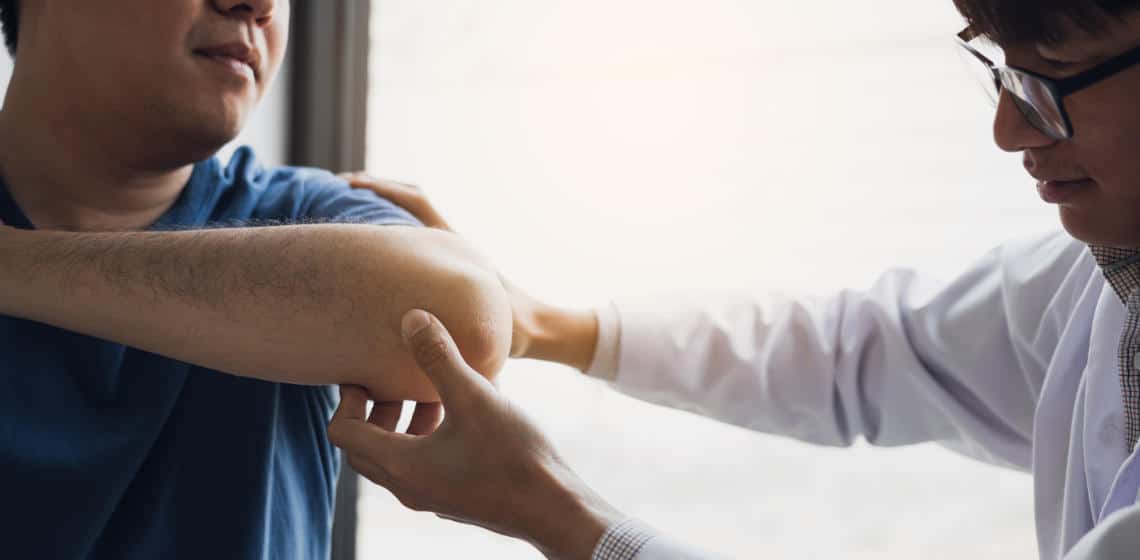
Claim compensation for ulnar neuropathy
If you’ve suffered ulnar neuropathy and your employer or somebody else was at fault, you could be eligible to make an ulnar neuropathy compensation claim.
We are a claims management company regulated by the Financial Conduct Authority.
Ulnar Neuropathy Claims
Ulnar neuropathy can be very painful and cause a range of symptoms that can interfere with daily life. These include numbness, tingling, impaired grip strength, and difficulty manipulating objects. The condition may also cause problems with sleep, affect productivity at work, and lead to frustration, stress, and anxiety.
If you have suffered ulnar nerve damage due to someone else’s negligence, you might be eligible for compensation. Everyday situations leading to a personal injury claim include road traffic accidents, accidents at work, sports injuries and slips, trips and falls.
To find out if you can make an ulnar neuropathy compensation claim, call 0800 470 0474 today for a free consultation with a legal adviser. Alternatively, you can click here to request a call back.
 Key points about ulnar neuropathy claims
- Am I eligible to claim?
You may be able to claim if your ulnar neuropathy was caused by repetitive pressure or poor ergonomics at work. - Who is at fault?
Employers must minimise ergonomic risks and provide suitable workstations and training. - What is the time limit?
You generally have 3 years from the date of diagnosis or when the condition was linked to your job. - How much could I receive?
Compensation may cover pain, loss of grip, medical treatment and time off work. - Can I claim on a no win, no fee basis?
Yes. You’ll only pay your solicitor a fee if your claim is successful.
If you would like to speak to a legal adviser about making a claim, call free on 0800 470 0474 or click here to request a call back.
By submitting this form you agree to be contacted by our partners. Find out how we handle your data in our privacy policy.
 Table of Contents
What is ulnar neuropathy?
Ulnar neuropathy is a condition where the ulnar nerve, which runs from the neck down to the hand, suffers trauma, compression or irritation. The damage can occur at various points along the nerve pathway, but it often happens at the elbow or wrist. It is also known as cubital tunnel syndrome or ulnar nerve entrapment and can cause a range of symptoms that include:
- Pain at rest or during activities that involve bending the elbow or wrist
- A burning sensation along the inner side of the forearm, elbow, and hand
- Numbness and tingling, which often affect the pinkie and ring finger, as well as part of the palm
- Sharp, shooting pains or shock-like sensations radiating down the arm and into the fingers
- Curving of the pinkie and ring fingers
- Weakness in the hand and fingers, particularly when gripping or manipulating objects
The severity and nature of the pain and symptoms can vary from person to person and will determine how much ulnar neuropathy compensation you may be entitled to receive.
Can I make an ulnar neuropathy claim?
If you were diagnosed with ulnar neuropathy, you may be able to take legal action and make a personal injury claim. An experienced legal adviser can let you know if your case has merit by verifying whether:
- Another party (the defendant) owed you a legal duty of care
- They breached their duty by acting negligently
- You suffered ulnar nerve damage due to their negligence
- You are within the relevant time limit to start a claim
Injuryclaims.co.uk works with a team of personal injury specialists who have vast experience handling all types of claims. If you believe you have an ulnar neuropathy compensation claim, call today on 0800 470 0474 or request a call back. A friendly and fully trained adviser will call you back to discuss your case and answer any questions you may have.
How is ulnar neuropathy diagnosed and treated?
If you have worrying symptoms, you should seek medical advice as soon as possible. Your doctor should perform a thorough physical exam to evaluate muscle strength, sensation, reflexes, and coordination in the affected arm, hand, and fingers. They may also perform some tests, which include:
- Nerve conduction studies that measure the speed and strength of electrical signals transmitted along nerves;
- An electromyography to assess the electrical activity of muscles innervated by the ulnar nerve;
- Imaging studies such as magnetic resonance imaging (MRI) or ultrasound to visualise the structures surrounding the ulnar nerve;
- Tinel’s test, where the doctor lightly taps along the course of the ulnar nerve at the elbow and sees if you feel tingling or electrical sensations, which may suggest a nerve problem.
The treatment for ulnar neuropathy includes a few options that aim to relieve symptoms, prevent further nerve damage, and improve nerve function. Possible treatment options include:
- Rest to reduce irritation and prevent further nerve damage;
- Wearing a splint or brace to reduce pressure on the nerve and alleviate symptoms;
- Physical therapy to improve muscle strength, flexibility, and posture, reduce strain on the ulnar nerve and promote healing;
- Nonsteroidal anti-inflammatory drugs (NSAIDs) or injection of corticosteroids to reduce pain and inflammation;
- In more severe cases, you may need surgical decompression of the ulnar nerve at the elbow (cubital tunnel release) to relieve pressure on the nerve and improve function.
Early intervention and appropriate management can help improve outcomes and reduce the risk of long-term complications associated with ulnar neuropathy.
How can ulnar neuropathy impact your life?
Irritation of the ulnar nerve can significantly impact daily life due to symptoms such as pain, numbness, weakness, and loss of coordination in the affected arm and hand. Some examples include:
- Difficulty in performing fine motor tasks, such as writing, typing, buttoning clothes, or using utensils;
- Having difficulty grasping or holding objects securely, which can affect activities such as carrying groceries, opening jars, or shaking hands;
- Poor coordination during tasks that require manual dexterity;
- Difficulty falling or staying asleep due to pain and other symptoms;
- It can affect performance and productivity at work, mainly if your job requires manual labour, repetitive movements, or fine motor skills;
- Chronic symptoms can also have an emotional impact and lead to anxiety and depression.
Overall, the condition can have a significant impact on quality of life, and your lawyer will consider all the ways in which it has affected you when calculating your settlement.
Evidence needed to support a personal injury claim
You will need various types of evidence to make a successful ulnar neuropathy claim, such as:
- Medical reports that show your diagnosis, including results of nerve conduction studies and other diagnostic tests;
- Expert testimony from qualified specialists who can establish the cause of your condition and its long-term effects on your life;
- Record of treatments you received, such as prescribed medication and physical therapy sessions;
- Photos or videos of the accident scene, including any hazards that caused your ulnar nerve damage before anything is moved or replaced;
- Statements from witnesses to your accident or co-workers who can attest to your working conditions or events leading up to the onset of ulnar neuropathy;
- Detailed information about your work history and exposure to potential risk factors such as repetitive tasks or lifting heavy objects;
- Your employer’s health and safety records and training programs related to workplace safety, ergonomics, and injury prevention;
- Your account of how you developed ulnar nerve damage and how it has affected your life;
- You should also keep records of medical expenses, lost wages, and other financial losses incurred as a result of ulnar neuropathy.
Common causes of ulnar neuropathy
Some of the common causes of ulnar neuropathy include:
- An illness which damages the ulnar nerve
- An injury to the nerve
- Injury to the nearby structures, which puts pressure on the nerve
- Long-term pressure on the nerve
Various situations and accidents can lead to ulnar nerve damage and a subsequent ulnar neuropathy claim, including:
- Road traffic accidents where you suffer trauma to the elbow, leading to damage or compression of the ulnar nerve;
- Workplace-related injuries that may result from tasks involving overuse or strain or from acute trauma due to accidents;
- Sports injuries due to repetitive stress or direct trauma to the elbow;
- Criminal assaults that involve damage to the nerve due to blunt trauma from kicks, punches, or attacks with a weapon;
- Slips, trips and falls where there is a direct impact on the elbow or wrist;
- Medical negligence, such as surgical mistakes, inadequate treatment or delayed diagnosis of an illness, can also lead to a personal injury claim for ulnar neuropathy.
Can I lose my job if I make a claim against my employer?
In the UK, it is the employer’s obligation to protect workers from avoidable injury, as stated by the Health and Safety at Work Act 1974. This also includes protecting them from nerve injuries, which can have long-term and devastating effects.
If an employer fails to take the necessary steps to prevent such injuries, they may be held responsible if an employee develops ulnar neuropathy. An employer’s duties include:
- Carry out regular assessments of the working environment to identify hazards that may contribute to ulnar nerve damage and take actions to reduce or minimise them;
- Inform workers who perform repetitive tasks at the workplace of the potential dangers of repetitive movements and actions;
- Provide ergonomic workstations, job rotation schedules and regular breaks to minimise strain on the arms, elbows, and wrists and reduce the risk of overuse injuries;
- Provide appropriate personal protective equipment (PPE), such as elbow pads or arm supports, to employees who are at risk of developing ulnar neuropathy due to their job duties.
If you have developed ulnar neuropathy due to your employer’s negligence, an injury solicitor can help you make an accident at work claim. This is your legal right, and you are protected by unfair and constructive dismissal laws against any retaliation from your employer. If they sack you, demote you, or treat you unreasonably due to your claim, you can potentially take further action at an employment tribunal.
How long will my ulnar neuropathy claim take?
Each case is unique, so it is difficult to predict how long an injury claim will take to settle. It may take anywhere from a few months to a few years to receive your ulnar neuropathy compensation, depending on several factors, such as:
- The type of accident you suffered
- The time you need to collect the necessary evidence to support your claim
- The severity of your injury and expected recovery times
- Whether the defendant admits liability or you have to issue court proceedings
- Whether you must go to court or you can settle without a trial
For example, the typical duration of a road traffic accident is two to six months, while claims for medical negligence take one to three years to resolve on average. It usually takes six to nine months to settle a work accident claim and 12 to 18 months to receive compensation from the Criminal Injuries Compensation Authority (CICA).
What is the time limit to claim compensation for ulnar nerve damage?
Under the Limitation Act 1980, you have three years to claim compensation for ulnar nerve damage. This time period begins on the date of your accident or from when your condition was diagnosed if it developed over time. After three years, your case will be statute-barred and no longer valid. There are a few exceptions to this rule, such as:
- With child injury claims, the time limit begins when the child turns 18 and will have until their 21st birthday to start a claim.
- If the claimant cannot handle their case due to a condition like Down syndrome or Alzheimer’s, the time limit is suspended, and a litigation friend could represent them at any time.
- If you were injured due to a criminal assault, you have two years to claim through the CICA.
How much ulnar neuropathy compensation could I receive?
The amount of compensation you may be entitled to receive for your injury will depend on two types of damages that will be included in your claim. These are:
General damages, awarded for the physical injury and its subjective effects on your life, such as:
- Pain and suffering
- Emotional distress
- Reduced quality of life
- Inability to engage in activities previously enjoyed, such as sports
- Loss of enjoyment of life
The Judicial College sets the award for general damages, examples of which can be found using our compensation calculator. Based on their recommendations, you could receive up to £13,700 for mild nerve damage that causes slight pain, numbness, and tingling. For a severe injury leading to permanent disability, you could claim up to £38,280 in general damages.
On top of general damages, you can also claim special damages. This is awarded for financial losses and expenses related to the ulnar nerve damage, such as:
- Private medical treatments
- Rehabilitation and physical therapy
- Loss of earnings from being unable to work
- Costs of care and assistance during recovery
- Travel expenses for medical appointments
Special damages are based on evidence you can produce, such as medical bills, payslips, receipts and invoices. If your condition is ongoing, your solicitor will assess your long-term needs to ensure this is reflected in your compensation settlement.
Will a solicitor offer me a No Win No Fee service?
If you have a valid claim for ulnar neuropathy compensation, your personal injury lawyer will work on a no win no fee* basis. That means you will not pay them anything upfront and will not lose a single penny if your claim fails.
With no win no fee, you only pay your solicitor if your claim is successful by giving them a percentage of your compensation. This is known as a success fee, and is capped at 25% of your award for general damages and past financial losses.
As part of your agreement, you also have After the Event (ATE) insurance against costs and disbursements incurred during litigation. These include, but are not limited to, court fees, medical reports, travel expenses and the defendant’s expenses. You only pay the ATE premium if your case is successful.
To find out if you can start an ulnar neuropathy compensation claim, call 0800 470 0474 or use this simple claim form to request a call back and receive a free case assessment.


